How to Clean and Lubricate Your Bike Chain Properly
Maintaining a bicycle chain is one of the most fundamental aspects of bike care. A clean and properly lubricated chain contributes to smooth shifting, efficient pedaling, and reduced wear on other drivetrain components. Over time, chains accumulate dirt, grime, and old lubricant, which can lead to increased friction and accelerated component deterioration. Understanding how to clean and lubricate a chain correctly is therefore essential for any cyclist seeking reliable performance and longevity from their equipment.
This guide outlines a systematic approach to chain maintenance, covering the removal of contaminants, the selection and application of lubricants, and best practices for ongoing care. The process involves several steps that can be performed with common tools and materials. While the exact methods may vary depending on riding conditions and chain type, the core principles remain consistent. By following a structured routine, cyclists can help ensure that their drivetrain operates effectively and that components last as long as possible.
It is important to note that results depend on multiple factors, including riding environment, maintenance frequency, and the quality of products used. No single approach guarantees specific outcomes, but a consistent and informed practice can contribute positively to overall bike performance. The following sections provide detailed instructions and considerations for each stage of the process.
Gathering Tools and Materials
Before beginning any cleaning or lubrication procedure, it is advisable to assemble all necessary tools and materials. This preparation helps streamline the process and reduces the likelihood of interruptions. Common items include a chain cleaning device, degreaser, brushes, rags, and a suitable lubricant. Additionally, a work stand or a way to elevate the rear wheel can make the task easier and more ergonomic. Protective gloves are recommended to keep hands clean and safe from chemicals.
The choice of degreaser and lubricant can significantly influence the effectiveness of the maintenance. Water-based degreasers are generally less harsh on the environment and are effective for regular cleaning, while solvent-based options may be more potent for heavily soiled chains. Lubricants come in various formulations, such as dry, wet, and wax-based, each suited to different riding conditions. It is important to select products that are compatible with the chain type and the intended use. Reading product labels and manufacturer recommendations can provide guidance.
In addition to the primary cleaning and lubricating agents, having a few auxiliary items can be helpful. A stiff-bristled brush can assist in removing stubborn grime from the chain and surrounding components. A set of Allen keys may be needed if the chain needs to be removed, although many cleaning methods allow the chain to remain on the bike. A measuring tool, such as a chain checker, can be useful to assess wear and determine if replacement is necessary. Keeping a dedicated area for maintenance, whether in a garage or a designated workspace, can also improve efficiency.
Step-by-Step Cleaning Process
The cleaning process begins with removing loose dirt and debris from the chain. Using a dry brush or a rag, gently wipe down the chain to eliminate surface contaminants. This preliminary step prevents abrasive particles from being pushed deeper into the chain during more thorough cleaning. If the bike is particularly dirty, it may be beneficial to rinse the chain with water before applying degreaser, but care should be taken not to introduce water into bearings or other sensitive areas.
Next, apply a degreaser to the chain. This can be done by spraying directly onto the chain or by using a chain cleaning device that contains degreaser. If using a spray, allow the degreaser to sit for a few minutes to penetrate and break down grime. Then, use a brush to scrub the chain thoroughly. A chain cleaning device often has rotating brushes that clean all sides of the chain as it is backpedaled through the device. For heavily soiled chains, multiple passes may be required, and the degreaser may need to be refreshed.
After scrubbing, rinse the chain with water to remove the degreaser and loosened grime. It is important to dry the chain immediately to prevent rust. A clean rag can be used to wipe the chain dry, and compressed air can help remove moisture from hard-to-reach areas. If the chain is removed for cleaning, it can be soaked in degreaser and then brushed and rinsed. However, removing the chain requires a chain tool and may not be necessary for routine maintenance. Once the chain is clean and dry, the cleaning step is complete, and the focus can shift to lubrication.
Applying Lubricant Correctly
Lubrication is a critical step that protects the chain from wear and ensures smooth operation. The type of lubricant chosen should match the riding conditions. Dry lubricants are typically used in dry, dusty environments as they attract less dirt, while wet lubricants are better for wet, muddy conditions as they resist being washed away. Wax-based lubricants offer a balance and are popular for their cleanliness. Regardless of type, the application method is similar: apply the lubricant to the inside of the chain while slowly backpedaling, allowing it to penetrate the links.
It is important to avoid over-lubricating, as excess lubricant can attract dirt and create a sticky mess. After applying, allow the lubricant to sit for a few minutes to penetrate the inner parts of the chain. Then, wipe off any excess lubricant with a clean rag. The chain should appear slightly shiny but not dripping. For wax-based lubricants, a longer drying time may be needed before riding. Some riders prefer to apply lubricant the night before a ride to give it ample time to set.
Frequency of lubrication depends on riding conditions and distance. As a general guideline, it is often recommended to lubricate after every wet ride or every few hundred miles in dry conditions. However, these are not strict rules, and individual judgment should be applied. Checking the chain for dryness or squeaking can indicate when lubrication is needed. Keeping a regular schedule can help maintain performance and extend the life of the drivetrain.
Maintaining Chain Longevity
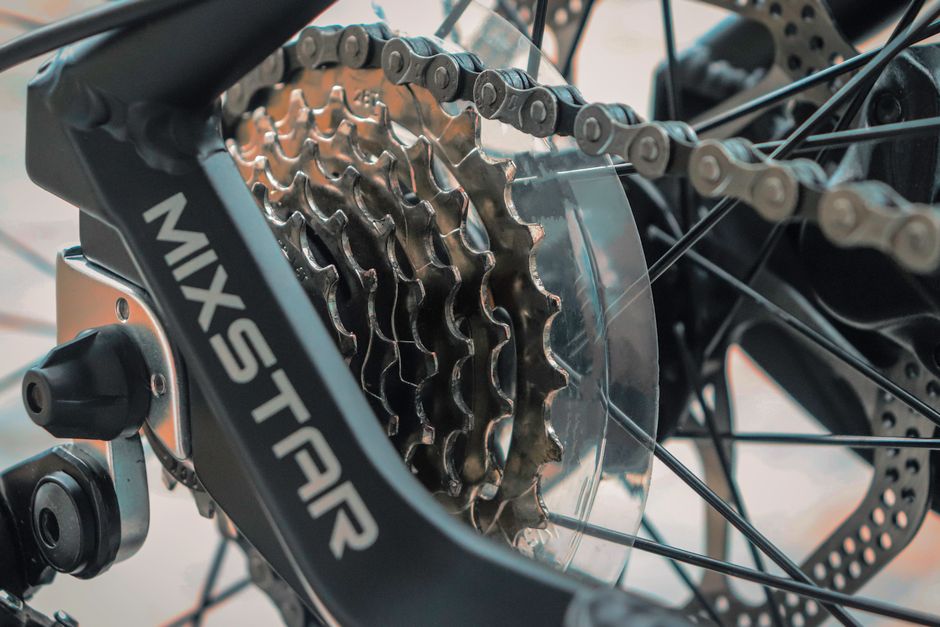
Beyond regular cleaning and lubrication, several practices can contribute to extended chain life. Measuring chain wear periodically with a chain checker helps determine when replacement is necessary. A worn chain can damage cassettes and chainrings, leading to costly repairs. Keeping the entire drivetrain clean, including cassette and derailleur pulleys, reduces the rate at which the chain becomes contaminated. Avoiding cross-chaining, which is using extreme gear combinations, can also reduce stress on the chain.
Proper storage of the bicycle can also play a role. Storing the bike indoors or in a dry area prevents rust and corrosion, especially after riding in wet conditions. If the bike is stored outdoors, using a cover can provide some protection. Additionally, avoiding the use of harsh chemicals or excessive water pressure when cleaning can prevent damage to the chain and other components. Following manufacturer guidelines for the specific chain and lubricant products is always advisable.
Regular inspection of the chain for signs of damage, such as stiff links or rust, allows for timely intervention. If a chain is excessively worn or damaged, replacement is often the most effective solution. While chain maintenance requires some time and effort, it is a relatively simple task that can be integrated into a routine. VeloCare emphasizes the importance of consistent care as part of overall bicycle upkeep, but individual results may vary based on usage and conditions.
Common Mistakes to Avoid
Several common errors can undermine chain maintenance efforts. Using too much lubricant is a frequent mistake that leads to grime accumulation. Similarly, using the wrong type of lubricant for the conditions can result in poor performance. For example, using a wet lubricant in dry, dusty conditions can attract abrasive particles. Another mistake is neglecting to clean the chain before lubricating, which can trap contaminants inside the chain. It is also important not to use harsh solvents that can damage the chain’s O-rings or seals if present.
Some riders may overlook the need to clean the entire drivetrain. A dirty cassette or chainring can quickly recontaminate a freshly cleaned chain. Therefore, it is beneficial to clean those components as well. Additionally, using a pressure washer directly on the chain can force water and degreaser into the chain’s internal parts, leading to corrosion. A gentle rinse is usually sufficient. Finally, ignoring chain wear can lead to premature replacement of other drivetrain parts, so periodic checks are recommended.
Understanding these pitfalls can help cyclists avoid unnecessary complications. By adhering to a methodical approach and paying attention to details, the maintenance process becomes more effective. While there is no one-size-fits-all solution, awareness of common mistakes allows for adjustments based on specific circumstances. Ultimately, the goal is to maintain a functional and durable drivetrain, and avoiding these errors contributes to that objective without guaranteeing specific outcomes.
In conclusion, cleaning and lubricating a bike chain properly involves a series of deliberate steps that require attention to detail and consistency. From gathering the right tools to applying lubricant correctly, each phase plays a role in the overall health of the drivetrain. Factors such as riding conditions, product selection, and frequency of maintenance all influence the results. By following the guidelines outlined in this article, cyclists can develop a routine that supports the longevity and performance of their bicycle chain. VeloCare encourages riders to approach maintenance with a mindset of care and precision, recognizing that outcomes depend on multiple variables beyond any single action.